
Creating a More Efficient and Organized Home Office
Choose the Right Location
Working from home can be much easier when there is a dedicated area for professional or academic tasks. Not every home has a separate office, but even a small corner can become functional when planned carefully.
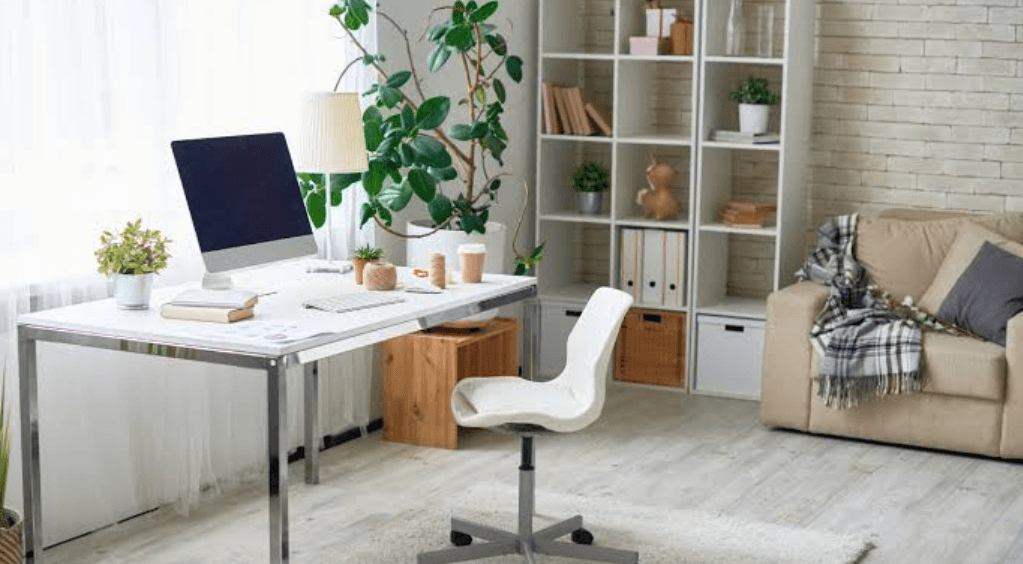
The chosen location should ideally have enough room for a desk, chair, computer, and essential supplies. Natural light can make the area feel more comfortable, although direct sunlight should not create glare on screens.
Noise is another consideration. A workspace beside a busy entrance or television may be distracting. When a separate room is unavailable, a quiet corner of a bedroom, living room, or hallway may still work with thoughtful organization.
The purpose is to create a visual and practical distinction between work time and personal activities.
Invest in a Comfortable Workstation
A desk should provide enough surface area for the equipment and materials used regularly. A workspace that is too small can quickly become cluttered, while an unnecessarily large desk may consume valuable room.
The chair is equally important. Since many people spend several hours working, a supportive and appropriately adjusted chair can contribute to comfort. The height of the desk, monitor position, keyboard placement, and overall workstation arrangement should allow the user to work without unnecessary strain.
Computer equipment should also be positioned sensibly. The monitor should be placed at a comfortable viewing height and distance, while frequently used items should remain within easy reach.
Improve Storage and Organization
An organized office can make daily tasks easier. Documents, stationery, cables, notebooks, and electronic accessories can quickly spread across a desk if there is no designated storage.
Drawers, shelves, filing boxes, and small organizers can help separate different categories of supplies. Vertical storage is especially useful when floor space is limited.
Cable management is another simple improvement. Charging cables and power cords can create visual clutter and become inconvenient when they are tangled. Cable clips, sleeves, or other suitable organization methods can keep wires under control.
Digital organization matters too. Creating clearly named folders and regularly removing unnecessary files can make it easier to find important documents.
See also: technewsoutlets.com usa || technewsoutlets.com
Use Lighting and Color Carefully
Good lighting can make a home office more pleasant and functional. Natural daylight is useful when available, but a desk lamp can provide additional illumination during darker hours.
Lighting should reduce shadows and screen glare rather than creating another source of visual discomfort. The appropriate setup depends on the room and the type of work being performed.
Color can also influence the character of a workspace. Some people prefer neutral surroundings that minimize distractions, while others enjoy adding color through artwork, accessories, or furniture.
The office should reflect personal preferences while remaining practical. Too many decorative objects can reduce usable workspace, so balance is important.
Create a Workspace That Supports Focus
A home office should make it easier to concentrate. Keeping unnecessary objects away from the primary work surface can reduce distractions.
Noise management can also help. Rugs, curtains, doors, or other suitable furnishings may reduce some household sounds. Headphones can be useful in certain situations, although they should not replace appropriate workplace conditions when concentration is consistently difficult.
Plants, photographs, or artwork can make the space feel personal without overwhelming it. A comfortable workspace can encourage people to maintain clearer boundaries between professional tasks and relaxation.
Creating an efficient home office does not require an expensive renovation. A suitable location, comfortable furniture, organized storage, effective lighting, and controlled distractions can significantly improve the experience of working from home. By designing the area around actual daily needs, homeowners can create a workspace that is practical, comfortable, and easier to maintain.
One Comment